
The System Nobody Told You About
I have been working with the cannabis plant for over forty years. I have watched it go from criminalized to celebrated. I have watched the science catch up to what traditional cultures knew for centuries. And in all that time, one fact has never stopped being remarkable to me: most people walking around today have never heard of the system in their own body that makes CBD work.
The endocannabinoid system, or ECS, is not some fringe concept. It was formally identified by researchers in the early 1990s. It is present in every mammal on earth. It regulates some of the most fundamental biological processes you depend on every single day. And yet it is almost entirely absent from standard medical education and mainstream health conversation.
That absence has real consequences. People try CBD, do not understand why it works, do not give it enough time, and give up before it has a chance to do what it does. Understanding the ECS is not just scientific curiosity. It is the foundation of getting real results.
What the ECS Actually Does
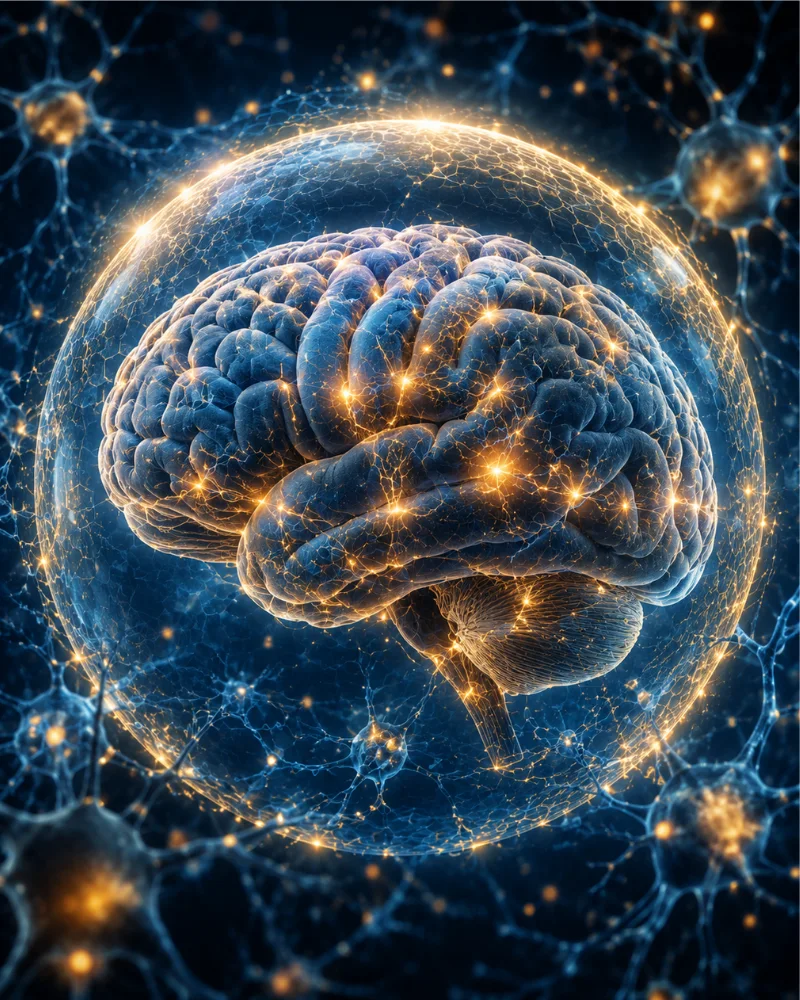
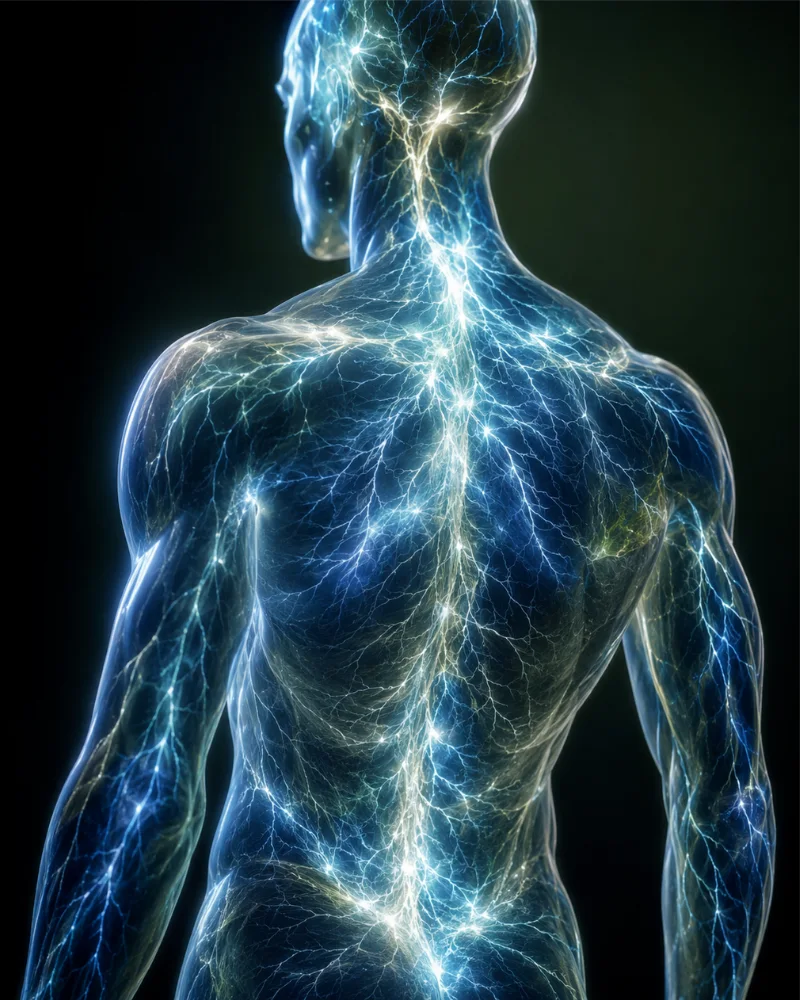
The endocannabinoid system is a regulatory network. Its job is homeostasis, which is the body’s constant effort to maintain internal balance despite everything the external world throws at it. Temperature regulation. Immune response. Sleep cycles. Pain signaling. Mood. Memory. Appetite. Stress response. Inflammation. The ECS has a hand in all of it.
The system operates through three components. Endocannabinoids are molecules your body produces naturally, chemical messengers that carry signals between cells. The two most studied are anandamide, sometimes called the bliss molecule, and 2-AG. Receptors called CB1 and CB2 are distributed throughout the body and receive those signals. CB1 receptors are found primarily in the brain and central nervous system. CB2 receptors are found primarily in immune tissue and throughout the peripheral body. Enzymes then break down endocannabinoids after they have done their job, keeping the system clean.
When the system is functioning well, the body regulates itself. When it is not, things break down. Sleep problems. Chronic pain. Mood instability. Immune dysregulation. Digestive issues. These are often symptoms of a system that has lost its ability to self-regulate.
Where CBD Enters the Picture
CBD, cannabidiol, is a phytocannabinoid. A cannabinoid that comes from a plant. The reason it works inside the human body is not a coincidence. The ECS evolved, at least in part, in relationship with the cannabis plant. The molecular structure of plant cannabinoids fits the lock of your body’s own receptors because the two systems developed together over millennia.
CBD does not bind directly to CB1 or CB2 receptors the way some other cannabinoids do. Instead it works indirectly. It inhibits the enzymes that break down anandamide, which allows your naturally produced endocannabinoids to stay active longer. It also influences the receptors in ways researchers are still working to fully map. The result is a broader, more sustained signal through the system.
A 2013 study published in the British Journal of Clinical Pharmacology identified multiple mechanisms by which CBD interacts with the ECS, noting its role as an indirect agonist and enzyme inhibitor. Research from the National Institutes of Health has documented CBD’s influence on serotonin, TRPV1, and GPR55 receptors as well, meaning its effects extend well beyond the cannabinoid receptor system alone.
This is part of why the effects of CBD are broad rather than targeted. You are not taking something that hits one switch. You are supporting a system that manages hundreds of functions simultaneously.
The Endocannabinoid Deficiency Problem
There is a concept in the research called clinical endocannabinoid deficiency. The theory, developed significantly by Dr. Ethan Russo and published in journals including Neuro Endocrinology Letters, proposes that inadequate endocannabinoid tone may underlie a range of conditions including migraines, fibromyalgia, and irritable bowel syndrome, conditions that have historically been difficult to explain or treat through conventional mechanisms.
The idea is straightforward. If your body is not producing enough endocannabinoids, or the receptors are not responding properly, the regulatory system breaks down. The body loses its ability to self-correct. Symptoms that seem unrelated, poor sleep, chronic pain, mood dysregulation, heightened stress response, can all be expressions of the same underlying deficiency.
This framing matters for how we think about CBD. You are not treating a symptom. You are feeding a system that has been running low.
Why Dosing Works Differently for Everyone
This is the question I get more than any other. Why did this dose work for my neighbor and not for me? Why does my sister feel it quickly and I had to adjust for three weeks?
The answer is in the biology. Endocannabinoid receptor density varies from person to person based on genetics, lifestyle, stress history, prior cannabis exposure, and many other factors. The number of receptors you have, and how sensitive they are, determines how your body responds to cannabinoid support. There is no universal dose because there is no universal receptor density.
This is also why CBD dosing is not based on body weight. Weight does not determine how many receptors you have or how your ECS is functioning. The right starting point is a consistent low dose taken daily, giving the system time to recalibrate, and adjusting gradually based on how the body responds. Consistency matters more than size.
Full Spectrum Versus Isolate: It Matters for the ECS
I formulate Banner Harvest products in two ways because the ECS responds to both, but differently.
Full spectrum CBD is whole plant extract. It contains CBD alongside dozens of other cannabinoids, terpenes, and flavonoids all working together. The entourage effect, well documented in cannabis research, describes the way these compounds amplify each other’s effectiveness when they reach the ECS together. The trace THC in full spectrum is not incidental. It is part of what activates the CB1 receptor pathway that CBD alone does not hit directly.
CBD isolate is pure CBD with everything else removed. It supports the ECS through the mechanisms described above without the broader plant profile. For people with drug testing concerns, or who prefer to avoid THC entirely, isolate is the appropriate choice. It works. It simply works through a narrower set of pathways.
The right choice depends on your situation. What is not debatable is that both work because the human body is built for them.
What This Means in Practice
Understanding the ECS changes how you approach CBD. You stop looking for an immediate dramatic effect and start supporting a system. You commit to daily consistency instead of occasional use. You give it time, typically four to eight weeks for meaningful recalibration, because you understand that the system is learning a new baseline, not just responding to a substance.
Forty years with this plant has taught me one thing above everything else. The body knows how to heal. The endocannabinoid system is one of the primary mechanisms through which it does that work. CBD supports that system. That is the whole story.
It is not magic. It is biology. And the biology is extraordinary.
References: Mechoulam R, Parker LA. The endocannabinoid system and the brain. Annu Rev Psychol. 2013. | Russo EB. Clinical Endocannabinoid Deficiency Reconsidered. Cannabis Cannabinoid Res. 2016. | Pertwee RG et al. International Union of Basic and Clinical Pharmacology. Pharmacol Rev. 2010.
FDA DISCLAIMER: These statements have not been evaluated by the Food and Drug Administration. This product is not intended to diagnose, treat, cure, or prevent any disease. This article is for educational purposes only and does not constitute medical advice.
Continue Reading
CBD as a Neuroprotectant: What Forty Years of Research and a Lifetime in Cannabis Taught Me
The NIH holds a patent on cannabinoids as neuroprotectants. Paul ImOberstag explains what that means, what the research shows, and why this may be the most important conversation in cannabis science.Charlotte Figi: The Child Who Changed Everything About Cannabis and Medicine
Charlotte Figi had 300 grand mal seizures a week. A high-CBD hemp extract changed her life and changed the world’s understanding of what cannabis medicine could be. Paul ImOberstag tells her story.Rylie Maedler and Rylie’s Law: How One Little Girl Changed Delaware and the Nation
Rylie Maedler was seven years old, fighting cancer and seizures, when her father began lobbying Delaware to legalize medical CBD. Rylie’s Law passed in 2015. This is her story.