I am going to tell you something true before I tell you anything else. My father died of cancer. I made him a promise before he went, and that promise is the reason this company exists. So when I write about what it is like to watch someone you love get sick, I am not writing from theory. I am writing from a place I have actually stood.
When someone you love is seriously ill, the whole world changes shape. The thing you are looking for is not a cure you read about online. You already know better than that. What you are looking for is anything, anything at all, that might make this a little more bearable. For them. And for you.
I want to say this plainly so there is no confusion. There is no miracle cure, not in a bottle of CBD, not anywhere. What we can hold onto is this: the body’s design is something that took millions of years to refine, and it knows how to defend, repair, and heal itself when it is supported well. CBD does not replace that design. It works alongside it, supporting the systems that are already there, doing what they were built to do. That is not a promise of a cure. It is something more honest than that, and it might be the only real hope worth offering.
What CBD may do is support quality of life, for the person who is sick and for the person standing next to them holding it together. Both of those people are carrying weight. Both of them matter.
What Changes When Someone You Love Gets Sick
Serious illness puts the whole body and the whole household under strain. The person who is sick is often dealing with poor sleep, a loss of appetite, physical discomfort, and a level of stress that does not turn off at night.
But here is what people do not talk about enough. The caregiver is carrying almost the same load. Different shape, same weight. Disrupted sleep because you are listening for them in the next room. Appetite that disappears because you forgot to eat again. A nervous system that stays on alert for weeks or months at a time. Caregivers run themselves into the ground because they think their exhaustion does not count. It counts.
This is where the conversation about CBD actually belongs, on both sides of it.
How CBD Fits In
CBD interacts with the endocannabinoid system, the system in the body involved in regulating stress response, sleep, and overall balance. When that system is supported, some people find the body responds a little differently to what it is going through.
For the person who is sick, that can sometimes look like a bit more ease in the body, a little more rest, being able to eat more consistently. For the caregiver, it can look like a calmer baseline at the end of a long day, sleep that comes a little easier, a nervous system that is not running at full alert around the clock.
None of this is dramatic. It is not supposed to be. It is small, steady support that adds up over weeks, not a switch that flips overnight.
Rest Matters for Both of You
Sleep is one of the first things to go when someone in the house is seriously ill, and it goes for everyone, not just the patient. The body needs that recovery window to function. Supporting the system so the body can settle at night can make a real difference in how both of you face the next day.
I tell people this often. You cannot pour from an empty cup. If you are the one caring for someone else, your rest is not optional. It is part of how you keep showing up.
The Emotional Weight
This is not only physical. There is a mental and emotional toll that comes with watching someone you love struggle, and there is a separate toll that comes with being the one who has to stay strong for everyone else.
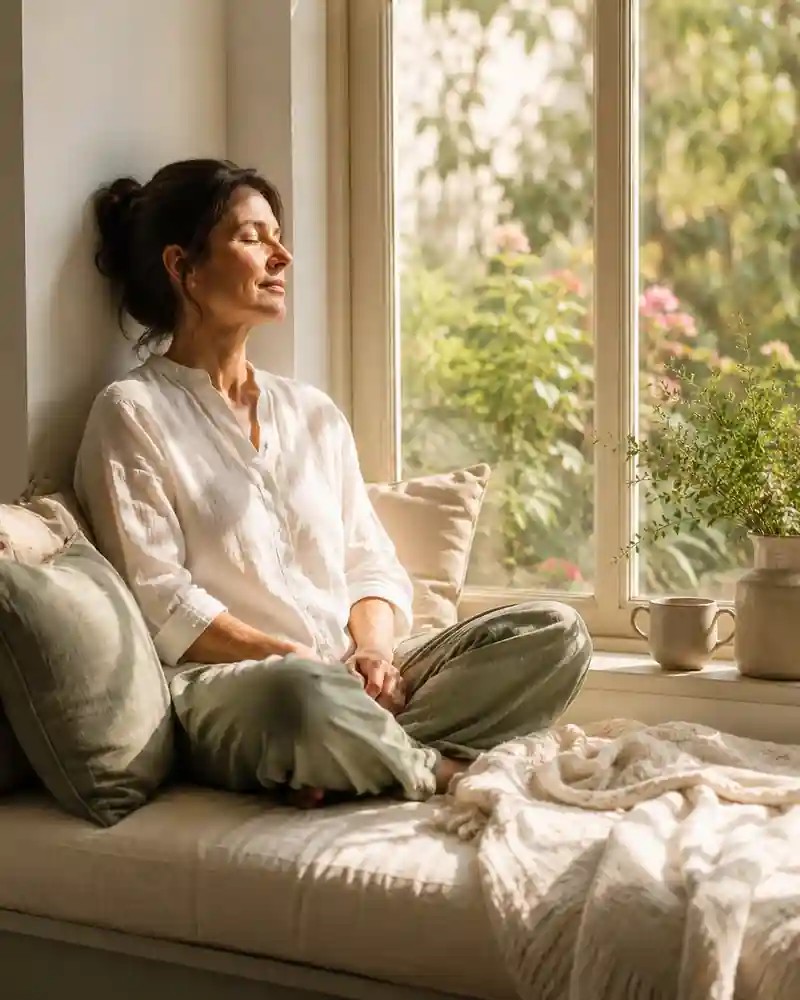
CBD does not numb you or take you out of the moment. What some people describe is a little more room to breathe, a calmer baseline that makes it possible to actually be present, instead of just surviving the day. Sometimes that matters as much as anything else on this list.
Staying Informed and Safe
If you or your loved one are taking other medications, including anything for a serious illness, tell whoever is managing that care that you’re using CBD. This isn’t about asking permission. It’s about making sure nothing gets missed that could cause a problem. CBD can interact with certain medications, and that’s simply something worth knowing before you start.
What to Look For
If you are considering CBD during a time like this, quality is not optional. You should know exactly what is in the product, that it has been third party tested, and how much CBD you are actually using. This is not the moment to guess, for either of you.
Setting Honest Expectations
CBD is not going to change the diagnosis. It is not going to undo what your family is facing. But it may help change how both of you move through it. A little more rest. A little less tension. A little more ability to eat, or sleep, or just sit together without your whole body humming with stress.
Those things matter more than people realize until they are the ones living it.
The Bottom Line
When you cannot control the big thing, you look for what you can support. CBD may be one of those tools, for the person who is sick and for the person who loves them enough to stay by their side through all of it.
I did not write this from a textbook. I wrote it because I lost my father to cancer and I know exactly what it costs to be the one left standing afterward, wondering if there was more you could have done. There usually was not. But the small things, the rest you got, the moments you were actually present instead of just exhausted, those were not nothing. They were everything you had to give, and they counted.
FDA DISCLAIMER: These statements have not been evaluated by the Food and Drug Administration. This product is not intended to diagnose, treat, cure, or prevent any disease. This article is for educational purposes only and does not constitute medical advice.
Continue Reading
Why We Started in Illinois
Some things come together all at once. The land, the timing, the people, and the law. When that happens, you recognize it. You do not hesitate. That is how Banner Harvest began in Illinois. The Farm Was Already There Paul’s uncle Bud Grieves had a farm outside Peoria with land that had been fallow for…When Someone You Love Is Sick: Understanding CBD and Quality of Life
I am going to tell you something true before I tell you anything else. My father died of cancer. I made him a promise before he went, and that promise is the reason this company exists. So when I write about what it is like to watch someone you love get sick, I am not…Will CBD Show Up on a Drug Test? The Full Truth.
Because the wrong assumption here can cost someone their job, their benefits, or put them in a situation they cannot afford. So here it is, clearly. What Drug Tests Are Actually Looking For CBD itself is not what drug tests screen for. Standard drug tests look for THC, the compound in cannabis associated with a…