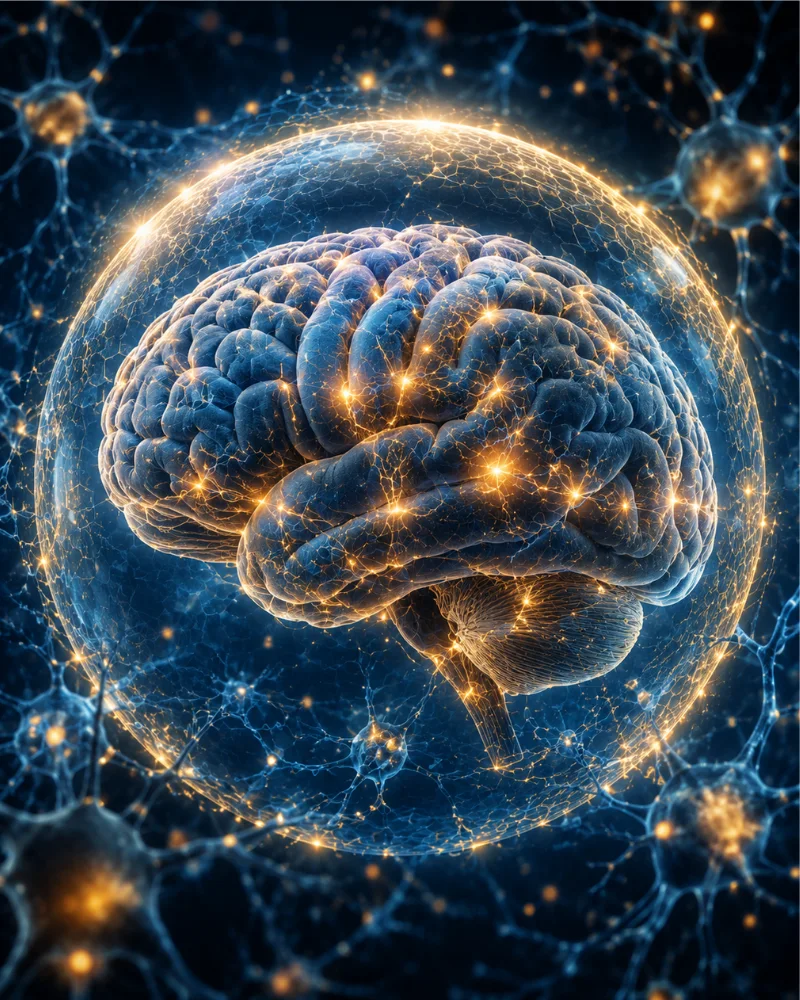

Anxiety, phobia, fear, and PTSD are responses of our body to potential danger to promote survival. It is a primary response to keep us safe from threats that would harm us. The problem arises when there is an imbalance between the sympathetic nervous system — which is responsible for preparing your body for a flight or fight response — and the parasympathetic nervous system — which is meant to calm the body.
Your parasympathetic and sympathetic are subsystems of the autonomic nervous system. The autonomic nervous system is part of the central nervous system (CNS) that is constantly working — the unconscious system that controls breathing and digestion. The sympathetic nervous system overreacts when threats or danger are not present. Disorders like chronic anxiety and PTSD as well as other phobias or psychosis can be triggered. Modulators of these triggered responses are believed to be norepinephrine, serotonin, dopamine, and gamma-aminobutyric acid (GABA).
The CNS plays a significant role in regulation of the body’s responses, and cannabidiol — also known as CBD — helps regulate all the systems of the body including the autonomic nervous system, which controls the sympathetic and parasympathetic response.
The Bliss Molecule
Another chemical like serotonin and dopamine that our body makes is called anandamide, known as the Bliss Molecule. It plays on the same reward center of the brain as serotonin and dopamine. CBD tells the body to make more anandamide, which is why CBD has been so beneficial in helping individuals with symptoms of anxiety and PTSD as well as depression.
There are many forms of neuropsychiatric disorders. One study in 2015 states that existing preclinical evidence strongly supports CBD as a treatment for generalized anxiety disorder, panic disorder, social anxiety disorder, obsessive-compulsive disorder, and post-traumatic stress disorder when administered acutely.
Anecdotal evidence as well as clinical studies support that CBD has a wide range of therapeutic benefits including antipsychotic, anxiolytic, neuroprotectant, antiemetic, analgesic, antioxidant, antiarthritic, and immunomodulation properties. CBD was found to be well tolerated up to 1500mg a day orally with no reports of it slowing psychomotor function, negative mood effects, or abnormal vital signs.
CBD Is Anxiolytic
CBD is anxiolytic — meaning anxiety reducing — whereas some strains of THC, the psychoactive component of the cannabis plant, can be anxiogenic or anxiety causing. Some people with paranoia and anxiety have been afraid to use cannabis because they have experienced what happens when they use the wrong product. Education and understanding of which cannabinoids to look for is crucial when seeking to use this natural plant medicine to combat the symptoms of many neuropsychiatric disorders.
Elevated anandamide enhances fear extinction due to the acute anxiolytic effects. In practical terms, CBD can be taken orally in an oil form and it works fast, usually within about 10 to 15 minutes, to relieve the symptoms. Receptors in the brain which regulate mood, anxiety, and reward as well as fear extinction are influenced and supported by the regulation of the CNS by binding to the CB1 receptors and inhibiting a range of neurotransmitters including norepinephrine.
Finding balance in today’s uncertain world is key to being happy and healthy. Stress and anxiety as well as other neuropsychiatric disorders can be debilitating and have a major impact on quality of life. CBD for yourself or someone you love can be life changing. Educate yourself on the benefits of CBD. Be kind and patient and love one another. As always, if you are on medications talk to your doctor or pharmacist to see if CBD might be right for you, or reach out to us with any questions or concerns.
Did You Know?
There are many forms of neuropsychiatric disorders. Generalized Anxiety Disorder (GAD) affects more women and is often associated with depression. Panic Disorder affects women 2x more than men. Social Anxiety Disorder is not gender discriminate and typically manifests around 13 years old. Obsessive-Compulsive Disorder (OCD) affects women 3x more than men. Post-traumatic Stress Disorder (PTSD) affects women 5x more than men. War, rape, and sexual abuse are some traumas associated with developing PTSD.
These statements have not been evaluated by the Food and Drug Administration. This product is not intended to diagnose, treat, cure, or prevent any disease.
Continue Reading
Can I Take CBD With My Medications? What You Need to Know
CBD is natural. That does not mean it has no interactions. Any compound active enough to produce real effects in the body is also active enough to interact with other things you are taking. Understanding where those interactions can happen is how you use CBD safely and responsibly. How CBD Interacts With Medications CBD can…In-House Manufacturing: Why It Matters for Every Product We Make
Most CBD companies do not make anything. They place orders. They work with contract manufacturers who produce products for dozens of brands at a time, white-labeled and shipped. The brand puts their name on the label and sells it as their own. This is normal in the industry. It is also something most brands prefer…CBD and Cancer Quality of Life: What the Research Says About p53 Pathways and the Endocannabinoid System
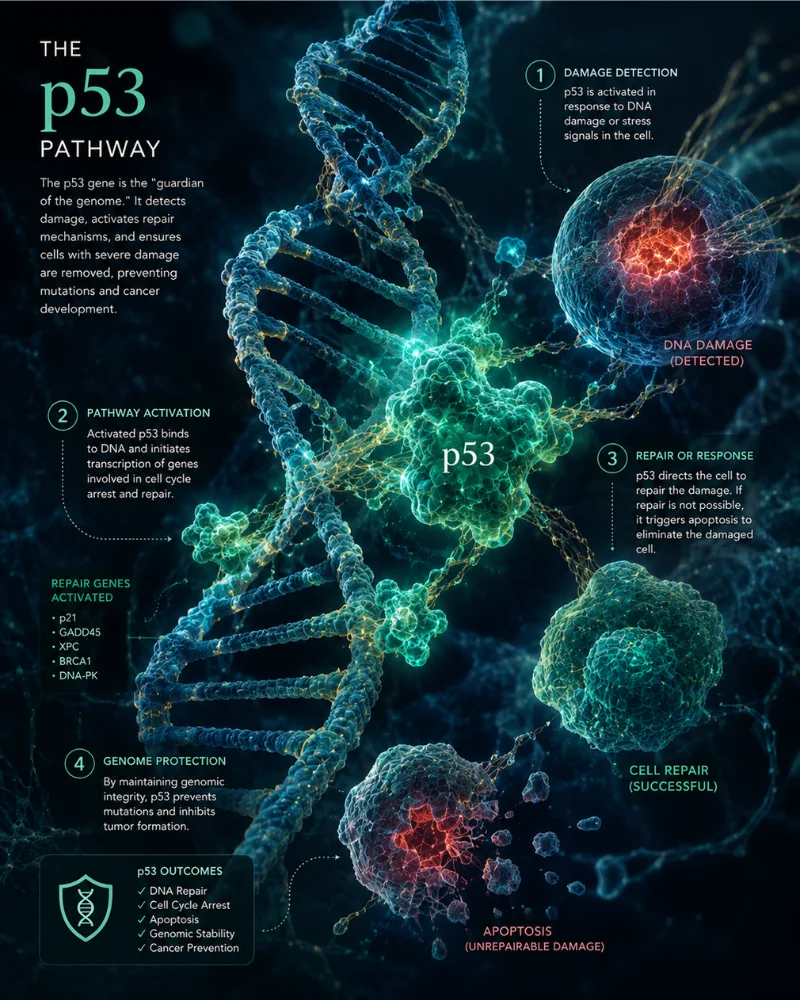
Growing NIH research documents cannabinoid influence on p53 tumor suppressor pathways and endocannabinoid system regulation. Paul ImOberstag explains what the science says and what it does not say.