March is both MS Awareness Month and CBD Awareness Month. That combination is not a coincidence to me. It is personal.
My mom has MS. I have watched this disease take things from her over the years — her steadiness, her comfort, her ability to move through a day without fighting her own body. When I found CBD and began to understand what it actually does inside the body, this was one of the first places my mind went. Could it help her? Could it help the thousands of people navigating this disease every single day?
The answer, based on research and on what I have witnessed firsthand, is that it can. Let me explain why.
What MS Actually Is
Multiple sclerosis is a disease that impacts the brain, spinal cord, and optic nerves — the central nervous system, or CNS. Something triggers the immune system to attack the CNS itself. The resulting damage targets myelin, the protective layer that insulates the nerve fibers responsible for carrying signals between the brain and the body.
When myelin is damaged, those signals get disrupted. The symptoms that follow can include numbness, tingling, mood changes, memory problems, pain, fatigue, vision loss, and in serious cases, paralysis. Every person’s experience with MS is different. Some losses are temporary. Others are not.
The unpredictability of it is part of what makes it so hard to live with — and part of what makes finding tools that support the body’s regulation so important.
Where CBD Comes In
CBD is what is known as an immunomodulator. That means it helps regulate the immune system and its responses. For a disease driven by the immune system attacking what it should be protecting, that matters enormously.
CBD works through the endocannabinoid system, or ECS. The ECS is a regulatory network that runs throughout the entire body — brain, nervous system, immune system, all of it. Its job is balance. When something in the body is overreacting, the ECS works to bring it back toward homeostasis. CBD supports and activates that system.
In the context of MS, CBD’s immunomodulatory properties mean it may help tell an overactive immune response to calm down. It does not cure MS. It does not reverse damage that has already been done. But supporting the system that regulates immune response is meaningful, and the research backs that up.
There are also studies suggesting that CBD may help prolong the onset of symptoms and delay disease progression in MS, ALS, and other neurodegenerative diseases, due in part to its neuroprotective properties. That means it may help protect nerve tissue from further damage. In a disease defined by nerve damage, that is significant.
What I Have Witnessed Personally
I have watched CBD help my mom with spasticity and muscle contractions — two of the symptoms that can rob people with MS of their comfort and mobility. Those are not small things. When your muscles are constantly contracting or you cannot find a position that does not hurt, relief matters more than almost anything.
I have heard similar accounts from other MS patients we have worked with at Banner Harvest. The consistency of those experiences is part of what keeps me doing this work.
Banner Harvest has supported and sponsored the MS Society since we opened in 2019. This is not a marketing decision. It is a commitment that started with my mom and has only deepened as I have continued to see what this community faces.
Understanding the Plant
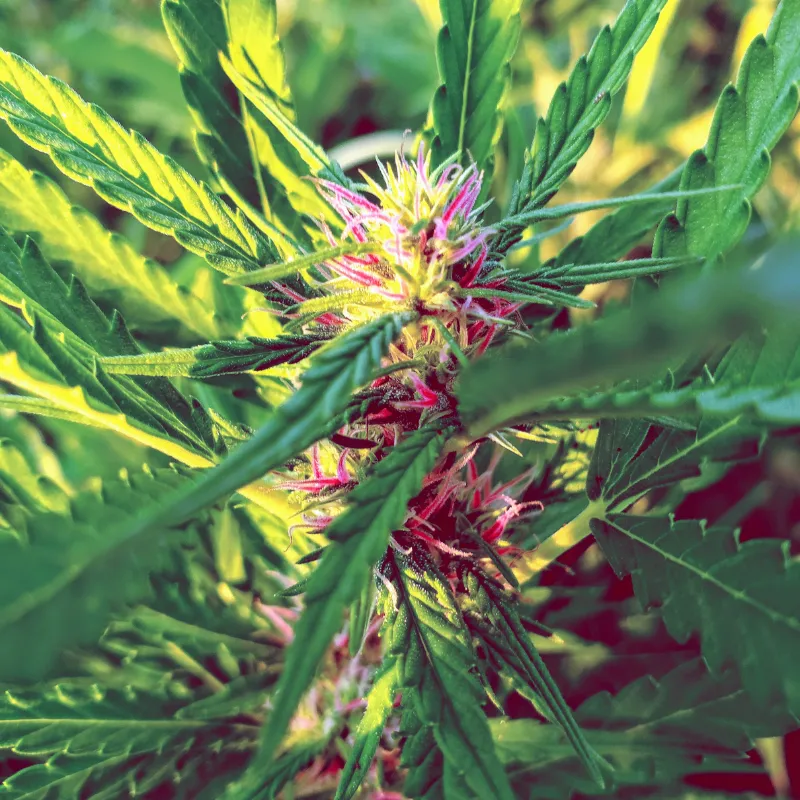
Cannabis is the plant family. Within that family, hemp and marijuana are differentiated legally by one thing: the amount of delta-9 THC they contain. Under the 2018 Farm Bill, a cannabis plant with less than 0.3 percent delta-9 THC is classified as hemp and is federally legal. Above that threshold, it is classified as marijuana.
Delta-9 THC is the cannabinoid associated with the psychoactive effect — the high. CBD, or cannabidiol, is a completely different cannabinoid. It has no intoxicating effect whatsoever. Hemp contains over 100 cannabinoids, and CBD is one of the most well-researched among them.
Different strains of cannabis have different cannabinoid profiles. That is why understanding what is in your product matters. Not all CBD products are the same, and for someone managing a condition like MS, quality and transparency in what you are taking is not optional.
The Research Is Real
The benefits of cannabinoids for conditions like MS are no longer purely anecdotal. There is a growing body of peer-reviewed research supporting what patients have been reporting for years — in many cases, patients who took real legal risks to access cannabis before 2018 because nothing else was giving them relief. They knew something worked. The science has been catching up.
If you or someone you love is navigating MS and you want to understand whether CBD might support quality of life alongside their existing care, we are here for that conversation. No pressure. No overselling. Just honest information from people who care.
Did You Know?
MS patients were buying cannabis illegally for years before the 2018 Farm Bill made CBD federally legal. They were not looking for a high. They were looking for relief from spasticity, pain, and the relentless symptoms of a disease that the medical system had very limited tools to address. The risk they took is part of why access matters so much now.
These statements have not been evaluated by the Food and Drug Administration. This product is not intended to diagnose, treat, cure, or prevent any disease.
Continue Reading
What Is the Difference Between Hemp Oil and CBD Oil?
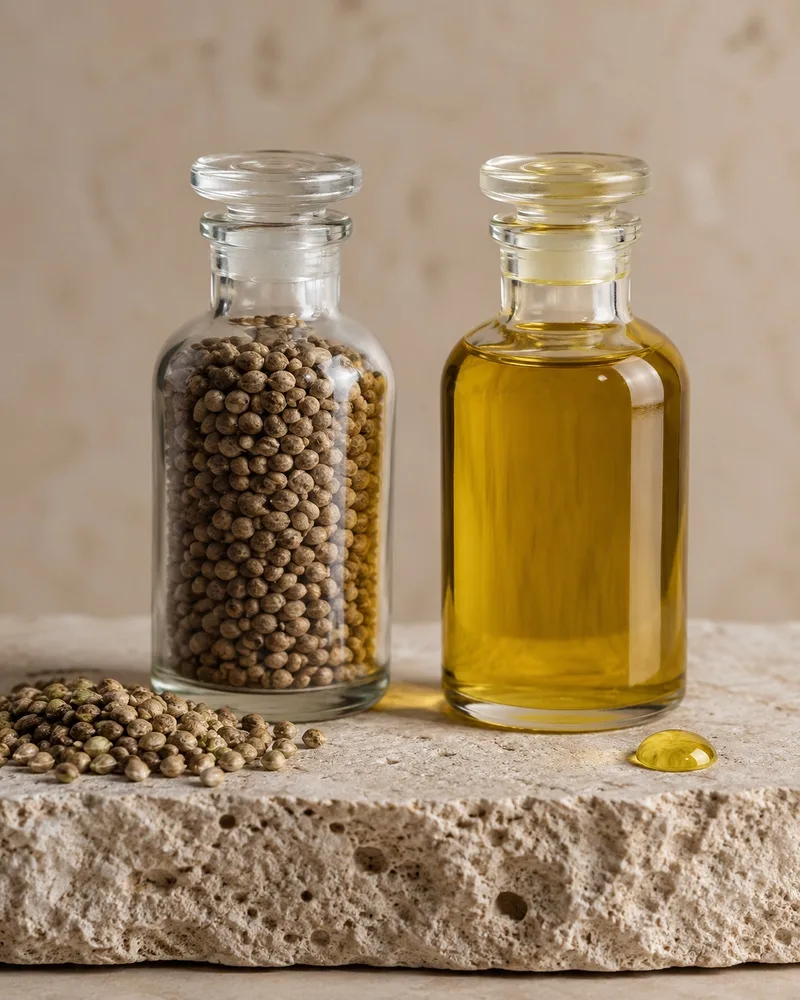
Hemp oil and CBD oil come from the same plant, but they are not the same product, and they do not do the same thing. And honestly, a lot of the confusion is intentional. Hemp Oil: What It Actually Is Hemp oil, more accurately called hemp seed oil, is made from the seeds of the…Why We Grow Our Own Hemp: Seed to Sale Story
Walk into most CBD stores, browse most CBD websites, and you will find brands built on impressive packaging, bold marketing claims, and very little else. Most CBD brands never touch a plant. They purchase finished oils or ready-made products from large commercial brokers, attach their label to the bottle, and sell it as though it…Can I Take CBD With My Medications? What You Need to Know
CBD is natural. That does not mean it has no interactions. Any compound active enough to produce real effects in the body is also active enough to interact with other things you are taking. Understanding where those interactions can happen is how you use CBD safely and responsibly. How CBD Interacts With Medications CBD can…